Experience Quality Care with Alvin Air Conditioning Services
Experience Quality Care with Alvin Air Conditioning Services
Blog Article
Premier Air Conditioning Services to Maintain Your Home Refreshing and Comfortable Year-Round
Keeping a pleasant living space requires efficient air conditioning services. Routine maintenance is important for the system’s efficiency and durability. Spotting signs of possible problems can avoid expensive repairs. Furthermore, upgrading to energy-efficient units provides lasting savings. Different seasonal tune-ups help enhance performance. Knowing these factors is crucial for homeowners. Yet, many people might miss important warning signs. What are the main signs that suggest your system needs attention?
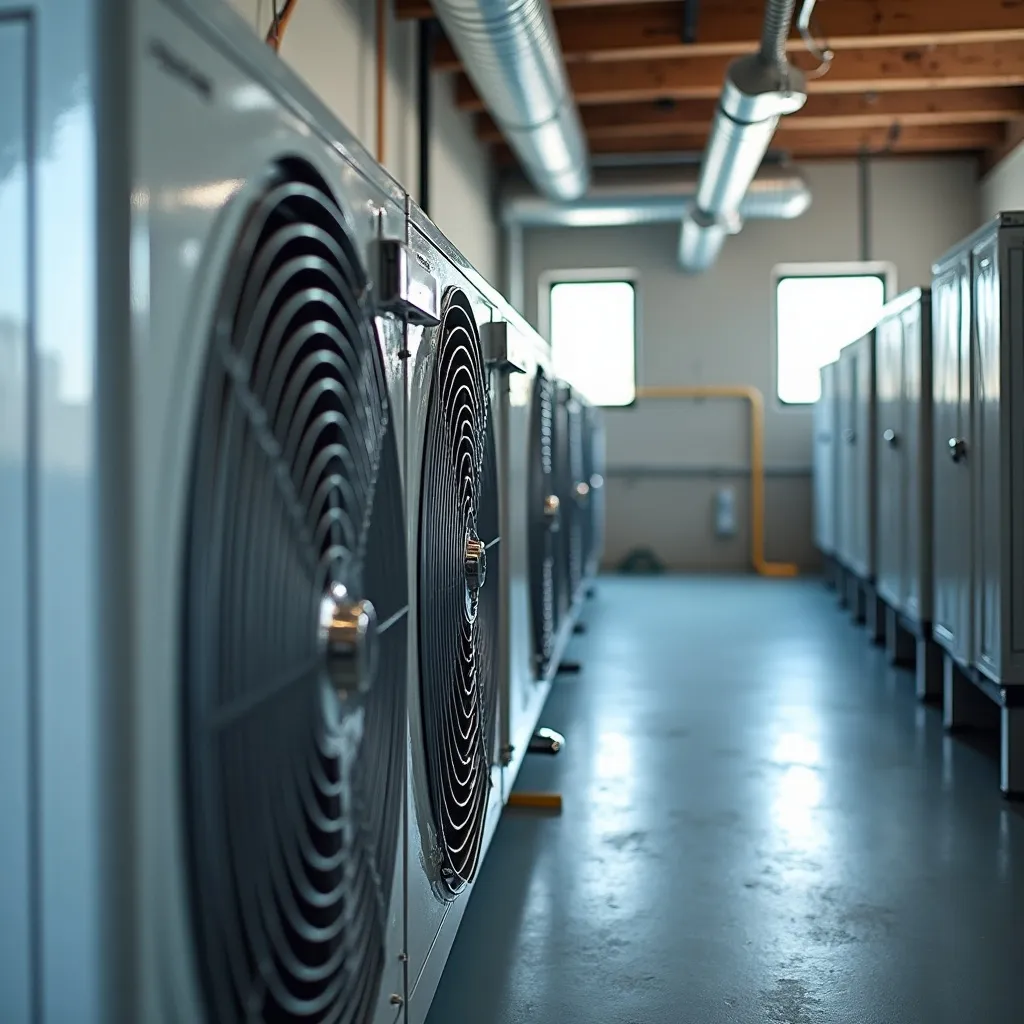
The Vital Importance of Scheduled Air Conditioning Maintenance
Regular air conditioning service is necessary for maximum efficiency and longevity of the system. A properly cared for air conditioning unit functions more productively, minimizing energy consumption and lowering utility bills. Routine checks can prevent minor issues from turning into major problems, making sure the system runs smoothly throughout the warmer months.
In addition, frequent maintenance enhances indoor air quality by removing dust, allergens, and debris that accumulate in the system. This is notably important for households with respiratory issues. Routine inspections commonly entail tasks like filter cleaning, refrigerant checks, and electrical component inspection, which promote overall system reliability.
Investing in routine maintenance not only extends the lifespan of the air conditioning unit but also encourages a enjoyable indoor space. Occupants who prioritize regular service can enjoy peace of mind, assured their system is capable of managing the demands of changing temperatures.
How to Identify When Your AC Requires Repair?
Spotting when an cooling unit requires fixing is crucial for maintaining comfort and operational efficiency. Indicators like unusual noises, uneven temperature, and mounting energy costs regularly indicate hidden problems. Catching these symptoms enables property dwellers to take timely action before significant problems transpire.
Unusual Sounds From Unit
When an air conditioning unit starts making unusual noises, it often indicates possible problems that may require immediate attention. Common sounds include rattling, which may indicate detached parts, or hissing, indicating a coolant escape. A grinding noise could point to motor problems, while a humming noise may denote electrical issues. These noises not only disrupt comfort but can also lead to greater harm if ignored. Homeowners should take these signs seriously and think about contacting a professional technician to identify and resolve the underlying problems. Prompt maintenance can avoid additional issues and guarantee the unit operates efficiently, preserving a pleasant home space year-round. Ignoring these noises may lead to expensive fixes eventually.
Inconsistent Heat Production
Uncommon noises from an air conditioning unit can often herald further signs of problems, such as fluctuating temperature output. Homeowners may detect that some rooms feel hot or cold compared to others, showing the system isn't distributing air evenly. Additionally, the unit may require more time to reach the desired temperature, which leads to discomfort. When the thermostat settings do not correlate with the actual room temperature, this mismatch can indicate an latent issue. Checking for blocked vents or dirty filters is important, as these problems can contribute to temperature unevenness. Routine maintenance and quick attention to these signals can help ensure the air conditioning system operates smoothly, offering a comfortable living environment all year long.
Elevated Utility Charges
Often, homeowners may notice a sudden spike in their utility charges, which can indicate that their air conditioning system requires attention. Increased energy consumption is often attributed to various underlying issues, such as clogged air filters, refrigerant leaks, or malfunctioning components. These problems cause the system to operate more intensively to keep desired temperatures, leading to higher operational costs. Homeowners should track their electricity costs consistently and compare them to previous months or years for discrepancies. Additionally, odd noises or decreased cooling performance can further indicate that repairs are necessary. Resolving these issues quickly can not only restore efficiency but also avoid more serious problems and expenses down the line, guaranteeing a comfortable home atmosphere throughout the year.
Understanding Critical AC Support
Emergency AC services are crucial for property owners dealing with sudden air conditioning failures, particularly during the scorching summer months. Such services provide immediate assistance, ensuring that a faulty unit does not compromise indoor comfort and health. Typical problems requiring emergency attention consist of refrigerant leaks, compressor failures, and electrical problems, all of which can result in inadequate cooling or complete system shutdown.
Homeowners need to recognize the significance of having entry to dependable emergency services. Swift response rates can reduce discomfort and avert further damage to the system. Furthermore, many service providers deliver 24/7 availability, fulfilling urgent needs regardless of the time of day.
Identifying the red flags that necessitate emergency AC services can equip house owners to respond promptly, ensuring their air conditioning systems work properly and efficiently. By giving priority to these services, homeowners can maintain a cool, comfortable home setting throughout the hottest months of the year.
The Case For Choosing Energy-Efficient AC Units
Converting to high-efficiency AC units supplies find this resource significant advantages, such as reduced energy bills. These modern systems utilize less power and boost indoor air quality through improved filtration and humidity control. As homeowners seek cost-effective and healthier living environments, efficient cooling solutions stand as a persuasive choice.
Cut Power Costs
Spending on power-efficient air conditioning units can noticeably lower monthly energy bills. These modern systems utilize advanced technology to enhance energy consumption, resulting in diminished operational costs. Traditional units often waste energy, leading to inflated bills during peak usage times. Conversely, energy-efficient models are built to operate using less electricity while keeping high-level cooling performance. The initial investment in these units can be offset by significant savings over time, making them a financially sound choice for homeowners. Additionally, many energy-efficient air conditioners come with rebates and other incentives, further improving their cost-effectiveness. By upgrading to these units, homeowners not only support ecological health but also enjoy a more affordable approach to cooling their living spaces.
Upgraded indoor air quality
Energy-efficient climate control systems not only lower utility costs but also greatly improve indoor air quality. These units are fitted with state-of-the-art filters that effectively capture dust, allergens, and pollutants, leading to cleaner air circulation within the home. By managing humidity levels, energy-efficient models limit mold growth and the proliferation of bacteria, contributing to a healthier living environment. Additionally, many of these units operate more quietly than traditional models, lessening noise pollution and promoting a more serene atmosphere. Upgrading to energy-efficient air conditioning systems not only supports environmental sustainability but also addresses the well-being of the household, making it a smart choice for homeowners seeking both comfort and health benefits.
Routine Seasonal Tune-Ups for Maximum Air Conditioning Performance
As the warmer months near, ensuring an air conditioning system is in peak condition becomes crucial for maintaining comfort indoors. Seasonal tune-ups play a critical role in optimizing AC efficiency, boosting performance, and prolonging the life of the system. These extensive maintenance sessions generally involve cleaning or replacing air elements, checking refrigerant levels, and identifying possible leaks. Service professionals also evaluate electrical parts, guarantee adequate air circulation, and examine the evaporator and condenser coils.
Quick Solutions for Usual AC Problems
Regular maintenance can help prevent many issues, but even well-maintained air conditioning systems can encounter problems. Homeowners may face typical problems such as insufficient cooling, unusual sounds, or constant cycling. A simple solution for inadequate cooling often involves checking the thermostat configuration and making sure they are set correctly. Furthermore, cleaning and inspecting the air filters can improve air circulation and performance.
For unusual sounds, homeowners should first assess the unit for loose fittings and debris. Tightening bolts and removing blockages can reduce many noise-related issues. If the AC repeatedly cycles between on and off, examining the compressor and testing refrigerant levels can offer solutions.
At the end, maintaining the outdoor unit free of debris can maximize overall functionality. While these quick fixes can address immediate issues, consulting with a professional for persistent difficulties is wise to prevent further harm.
Ways to Extend the Longevity of Your AC System
A well-maintained air conditioning system can last considerably longer, guaranteeing comfort for homeowners year after year. Regular care is critical; this includes replacing filters every one to three months to support efficient airflow. Expert assessments should occur at least once a year to identify potential issues early.
Maintaining a debris-free outdoor unit, including leaves and dirt removal, helps preserve peak performance. Homeowners should also verify that vents and registers remain unobstructed to allow proper air circulation throughout the home.
Moreover, setting the thermostat to a moderate temperature can diminish strain on the system. Installing a programmable thermostat allows for better energy management.
Finally, installing a surge protector can safeguard the unit from electrical damage. By adhering to these strategies, homeowners can greatly extend the lifespan of their air conditioning systems while relishing a comfortable living environment.
Often Asked Questions
What is the usual cost of Air Conditioning Servicing?
AC maintenance typically expenses ranging from $75 and $200 per service call, depending on factors such as system type and service provider. Regular maintenance can prolong the unit's longevity and improve operational performance, in the end cutting back on electricity expenses.
How Can You Spot the Indicators of a Refrigerant Leak?
Indicators of a refrigerant leak encompass hissing sounds, lower cooling capacity, ice formation on coils, and elevated energy bills. These symptoms demonstrate a necessity for skilled assessment to stop further deterioration to the air conditioning system.
Can I Set up an AC Unit Myself?
He determined that having an AC unit installed by himself was possible, but entailed professional expertise and required tools. Taking into account professional guidelines and respecting local regulations were necessary to ensure protective measures and conformity with installation codes.
How Frequently Should I Replace My AC Air Filter?
Air filters must be changed every one to three months, relying on application and the model of filter. Routine replacement enhances air quality and system efficiency, ultimately prolonging the durability of the air conditioning unit.
How Much Years Can You Anticipate from an Air Conditioning Unit?
An air conditioning unit's typical lifespan typically spans 15 to 20 years, contingent upon maintenance, usage, and model quality. Routine maintenance may extend its longevity, guaranteeing optimal efficiency throughout its operational life.
Report this page